

Mark and I returned last week from our annual trek to Boone, North Carolina, one of our favorite places even through its dramatic changes. Growth there in recent decades, largely from an expanding Appalachian State University, has strained the town’s roads and infrastructure. Additionally, last year’s wholly unanticipated Hurricane Helene marred lives and landscapes permanently. Today is the one-year anniversary of her strike upon the mountains.
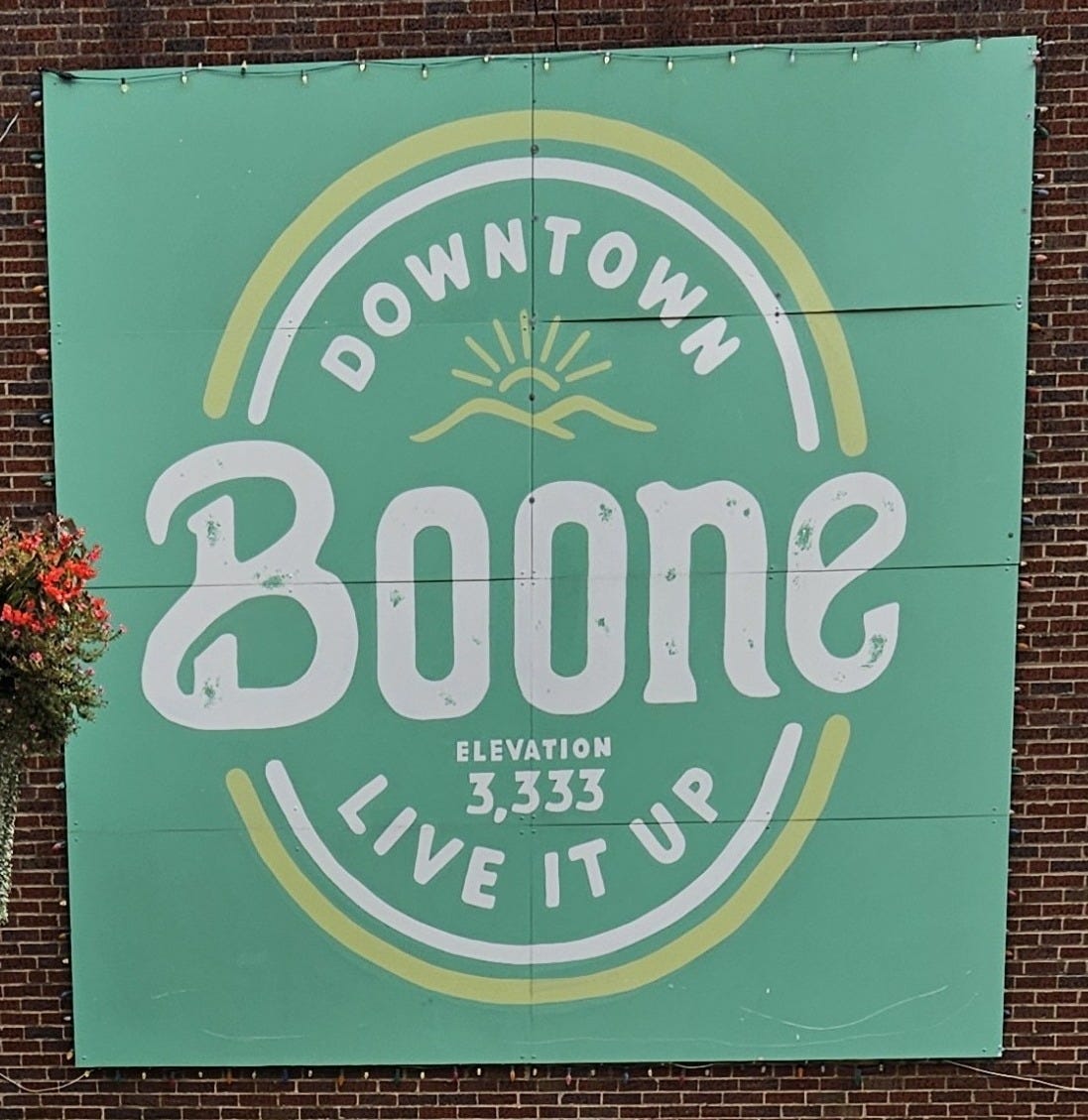
I was trepidatious about this year’s visit, unsure of what we’d see compared to last year’s relative calm before the storm. In September 2024, we departed the peaceful valley where we stay on the outskirts of Boone just days before Helene arrived. While we’d been there, rain had fallen, mostly light but persistent showers, for eight days out of ten.
There wasn’t much in the news about how the weather in advance of Helene contributed to the mudslides and flooding. By the time she arrived, the ground simply couldn’t soak up more water. So it rode the surfaces, heading for low spots, taking out bridges, and washing away homes.
Believing, as we left Western North Carolina last year, that Helene was aimed for our North Florida home, we were strategically timing our return based on the forecast. My brother, who lives in Canton, NC, was prepared—with pickup, chainsaw, and friends— to come south and help us deal with whatever was left behind on our property after the storm. Little did we know he’d be the one who needed the help.
Western NC is the home of my birth, and to see it ravaged the way it was last September was emotionally devastating for me. But not nearly so much as for those who were physically in the midst of it. Official records state approximately 120 dead, but a local official known to my family claims to have direct knowledge of over 400 lost.
Even though FEMA has abandoned the area, members of the community have pulled together in mind-boggling ways. Evidence of the comeback was on full display when we arrived at the Horn in the West parking lot this year where the Watauga County Farmer’s Market is held.
Always our first stop on our first day in Boone, the market is a riot of color with flowers and produce so vibrant it hardly looks real. What a relief to see this year no different.


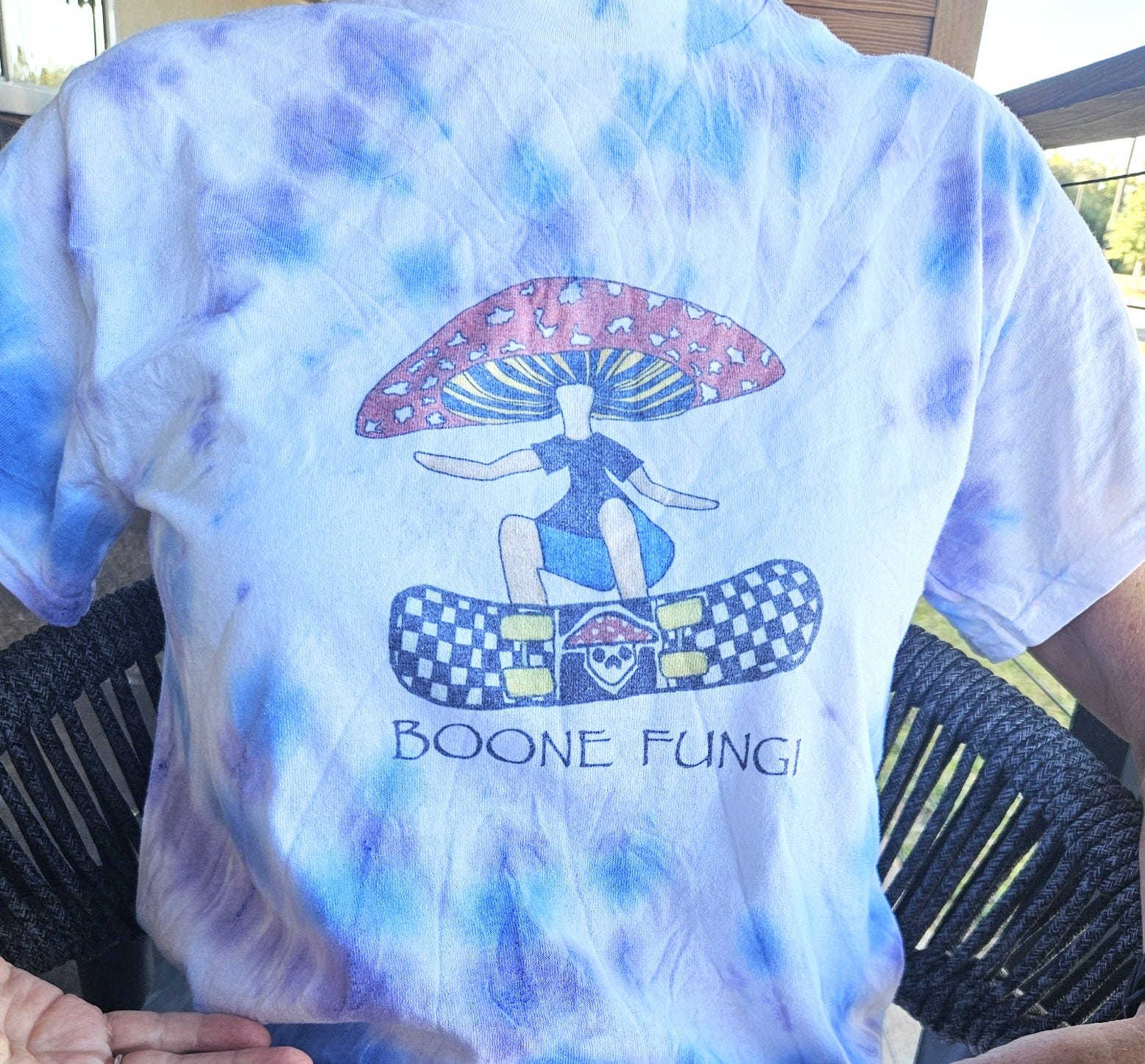
Our favorite vendor to visit at the market is the sweet young couple who owns Boone Fungi. I shared photos last year of the treasures we acquired when Krystal and Mason gave us a personal tour of the small warehouse where they grow their mushrooms. They were brimming with pride and enthusiasm—and a remarkable depth of knowledge—as they showed off their grow rooms, equipment, and the fruits of their labor.
Then, only a week later, they lost everything inside the building. All their inventory, tools, and equipment were either washed away or soaked beyond saving. And yet…they, with the help of friends and many caring community members who were themselves in need of help, hauled away, wiped away, painted, rebuilt, regrew, and regained their business.
When we saw them at the market this year and I asked how they’re doing, the shadow that passed over Krystal’s face was undeniable. It lingered but a moment then was replaced by a smile, exposing the lingering emotional scars that sit right alongside a resilience that’s taking them back toward thriving again.
A building sits in front of the Boone Fungi warehouse that, for decades, had housed Goober Peas, a country store that served a critical role in providing local residents with access to food and other groceries. That store was unable to recover after the storm.
So the Boone Fungi owners approached their landlord, who was also the store’s landlord, with a big idea and an eagerness to take care of their neighbors. Together, they and others in the community repurposed that building into The Crop and Trade Co-op, which sells produce and other food items on one side and supports local artisans by selling art and handicrafts on the other.
This is but one example of the creative tenacity that blankets the region. Yet, businesses and people there are still hurting. In the small resort where we stay, only three units of 32 were occupied last week, including ours. While the serenity in the beautiful valley was welcome, such emptiness was eerie.
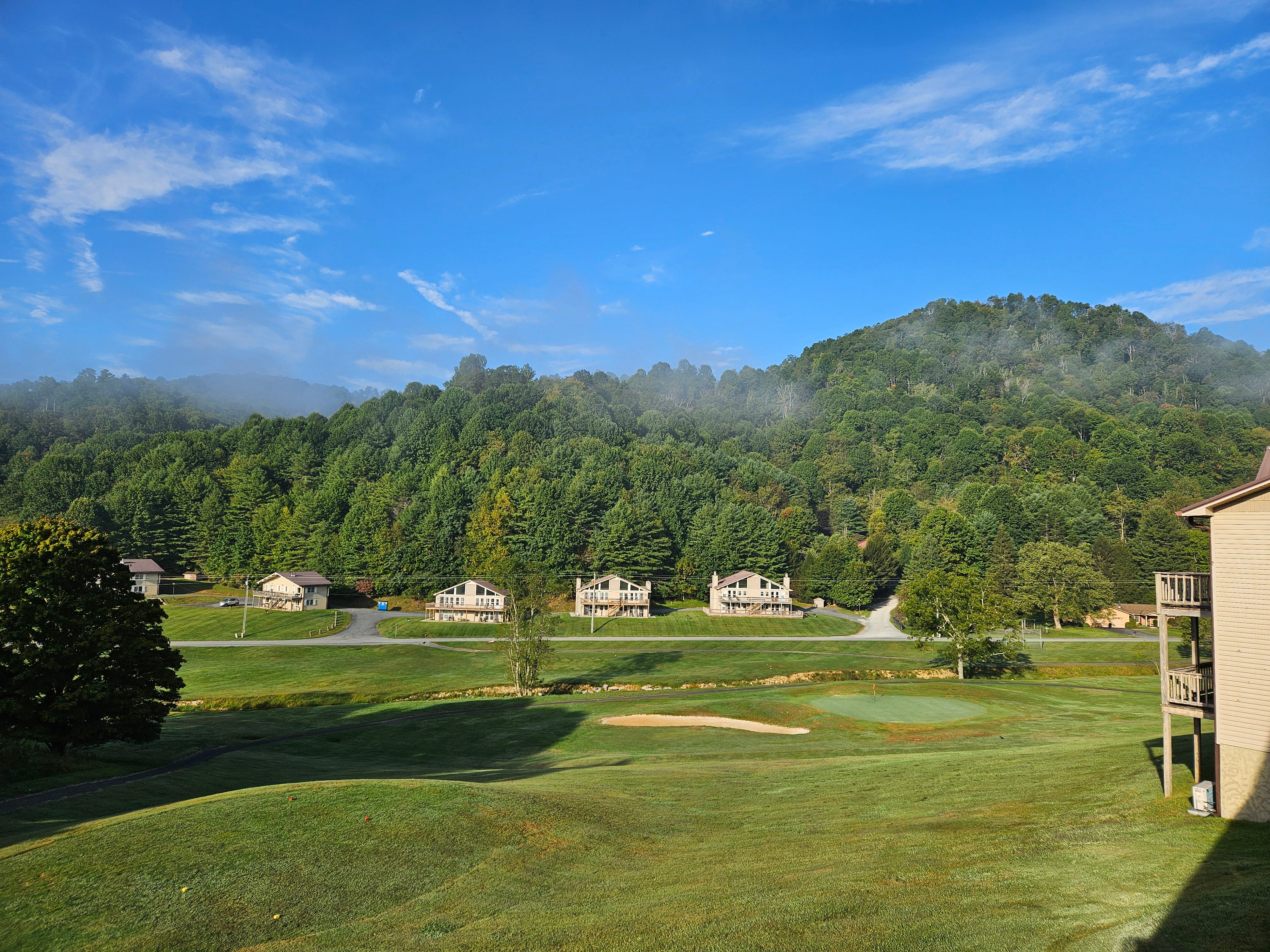
The front desk clerk told us that, all summer, other businesses would reach out, begging to know that it wasn’t “just them” without customers. No, it was everyone. She also described calls from potential visitors who, even after receiving her every assurance that the roads are indeed open, remained doubtful. “Are you sure?” they’d ask. And most still didn’t come.
She was anticipating a busy October though. App State football fans and leaf-lookers typically fill the coffers there in the fall. I hope they can, to some degree, make up for the summer losses those Western North Carolina businesses and the folks who own and work in them have suffered, an additional wallop on top of Helene’s wrath.
For some, it won’t be enough. But others will keep on hanging on. They’re ready for recovery in Western North Carolina and they’re ready for visitors. So if you have any chance to get to that area, every individual, every dollar spent, every kind word and generous hand is welcome and helpful. GO!

Thanks for reading! Subscribing to Gina’s Quill is free; however, a paid subscription helps me continue writing my stories and living my dream as a author.
Whichever you choose, thanks for your support!
Your grateful scribe,

We also live in Florida (Venice area) and also plan buy a home in the Boone area and become snowbirds. I can't wait until we are able spend several months up there each year.
It's not too far away from us here in Charlotte! We'll have to see if we can get up that way soon.